Distillery District & Meadowthorpe
Manchester Street's reused bourbon buildings, McConnell Springs and west-side neighborhoods.
ZIP boundaries are for mail delivery, not official neighborhood borders. Nearby landmarks are labeled as such; always check an address before visiting.
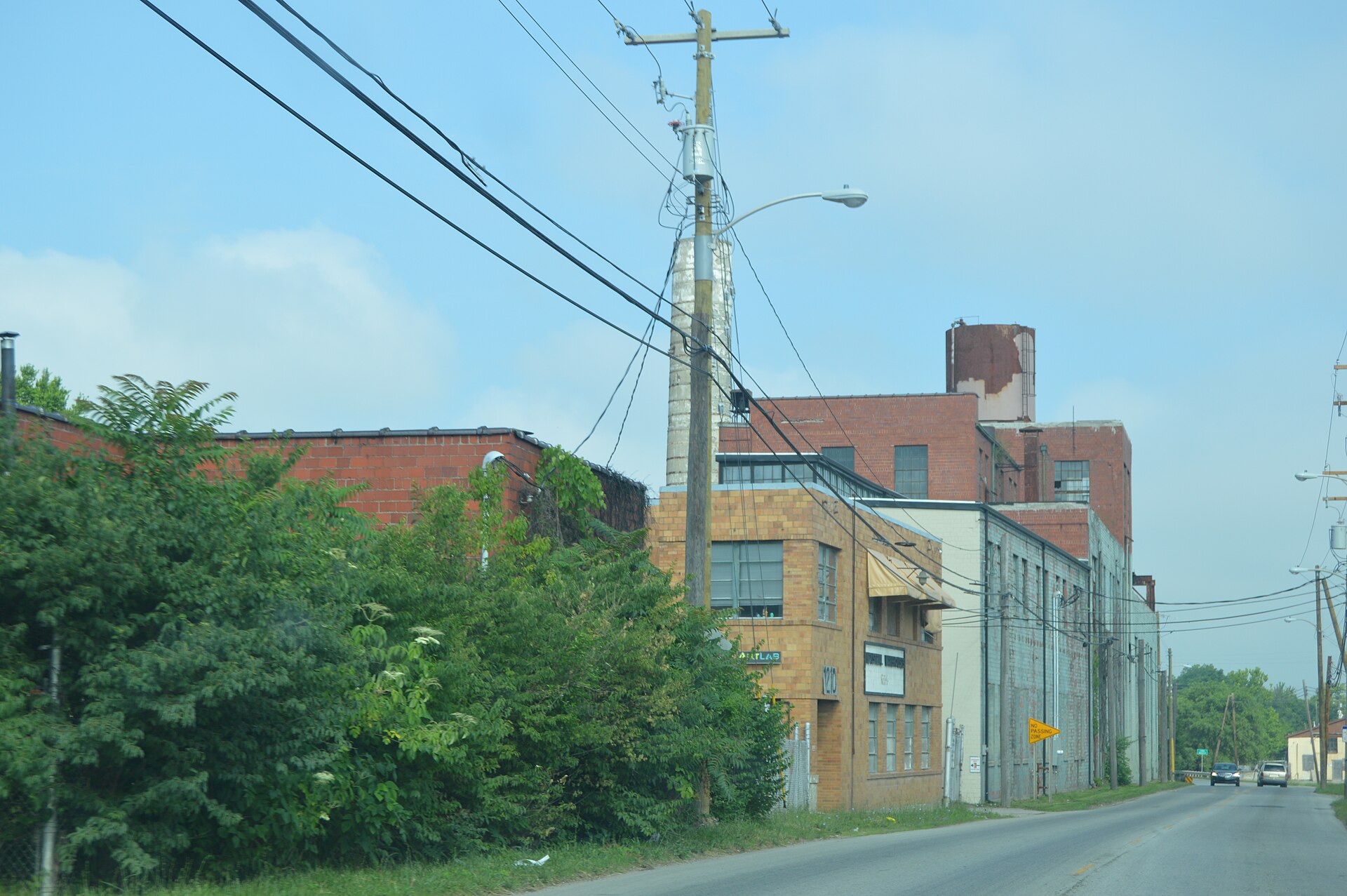
From warehouse district to nature trail
Manchester Street is the recognizable starting point. Former industrial buildings around the James E. Pepper Distillery now share the corridor with places to eat, drink and gather. The district makes more sense on foot once you have parked: historic facades, newer businesses and event activity are close together, though some sections still feel industrial. Check individual opening hours, especially on weekdays. If you are interested in bourbon production, book a specific distillery tour rather than assuming every building offers walk-in access. This is an active commercial area, not a preserved museum campus.
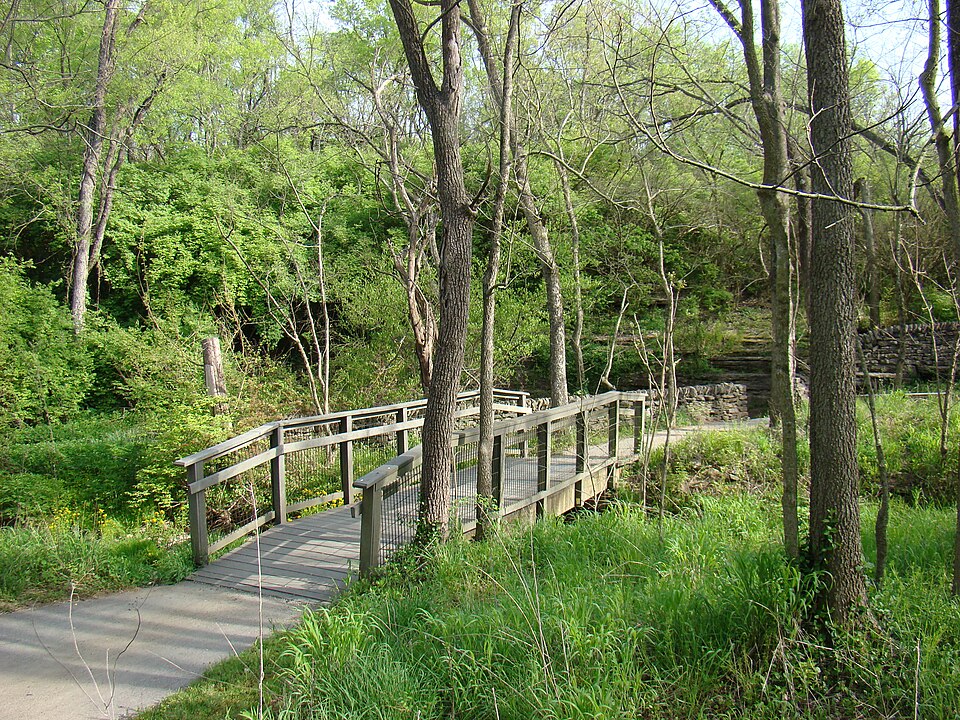
McConnell Springs offers a very different west-side experience. This natural area is closely associated with the early naming story of the city and gives visitors a chance to step away from traffic into a wooded setting. Its trails and springs are best approached as a protected landscape: stay on marked paths, leave wildlife alone and check any posted access information. The contrast is part of the point of 40504. In one part of the ZIP you see reused industrial space; nearby you can learn how water and terrain shaped the area's much earlier settlement.
Older west-side neighborhoods
Meadowthorpe adds a residential dimension west of downtown. Its mid-twentieth-century homes and neighborhood streets do not resemble the whiskey warehouses, yet both belong to the same broad west-side story. If you are visiting rather than living here, treat the residential blocks respectfully and focus on public spaces. Masterson Station Park, farther north and featured in the 40511 guide, is another option for outdoor time if you are making a longer west-to-north loop through town. Do not assume all these stops are an easy walk from one another just because they share a general side of town.
Old Frankfort Pike connects the edge of this urban area toward the surrounding Bluegrass landscape. It is a scenic route, but also a working road with real traffic and private farm entrances. Pull over only where legal and safe, and never enter a farm without permission. On the city side, look for how older industrial uses sit alongside newer entertainment businesses. The mix is a useful reminder that redevelopment does not erase the past: rail, distilling, warehousing and neighborhood life all left traces along the corridor.
Plan your time
A good first visit pairs a Manchester Street stop with McConnell Springs, leaving enough time for a relaxed trail walk. The two places serve different interests, so splitting the visit is better than treating the springs as a quick photo stop between meals. Wear walking shoes for the natural area and verify trail access and business hours before going. In warm weather, take water; in wet weather, expect muddy paths. If you prefer history, compare the distillery's built environment with the interpretation available at the springs.
The ZIP label is a useful organizer, but it should not be taken as a claim that every west-side landmark sits within a strict postal boundary. Some familiar attractions sit near an edge or are described by more than one neighborhood name. Use addresses for directions. For current restaurants or shops, browse the directory rather than relying on an unchanging recommendation here. The lasting reason to visit is the unusually clear contrast between natural history, neighborhood streets and the city's reused bourbon-era buildings.