Downtown & Cheapside
Lexington's courthouse square, historic sites, entertainment venues and the streets around Main and Vine.
ZIP boundaries are for mail delivery, not official neighborhood borders. Nearby landmarks are labeled as such; always check an address before visiting.
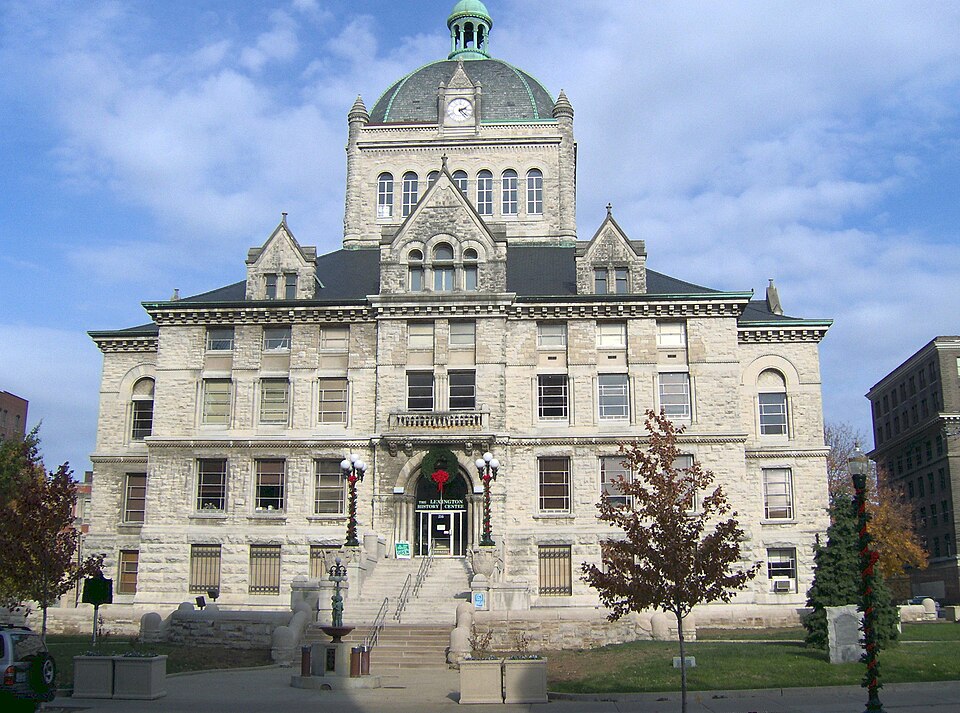
Start at the old courthouse
The historic Fayette County Courthouse is a strong orientation point for a downtown walk. From here, the blocks around Main Street and Cheapside show how government, commerce and public gatherings overlap. Architecture tells part of the story, but the best visit also pays attention to what is happening today: markets, restaurants, offices, performances and people moving through the square. Event schedules vary, so verify a market or concert before making it the centerpiece of your trip. Downtown is an active neighborhood, not only a collection of historic facades.
Follow Main and the neighboring streets at a comfortable pace. Short blocks make it easier to connect sights on foot than in the outer shopping corridors, although crossings still require care. You can compare older masonry storefronts with modern civic and entertainment buildings within a few minutes. If you are taking photographs, watch for traffic and avoid blocking business entrances. The courthouse image is an actual downtown landmark; the other images show nearby destinations that add context to a longer walking itinerary.
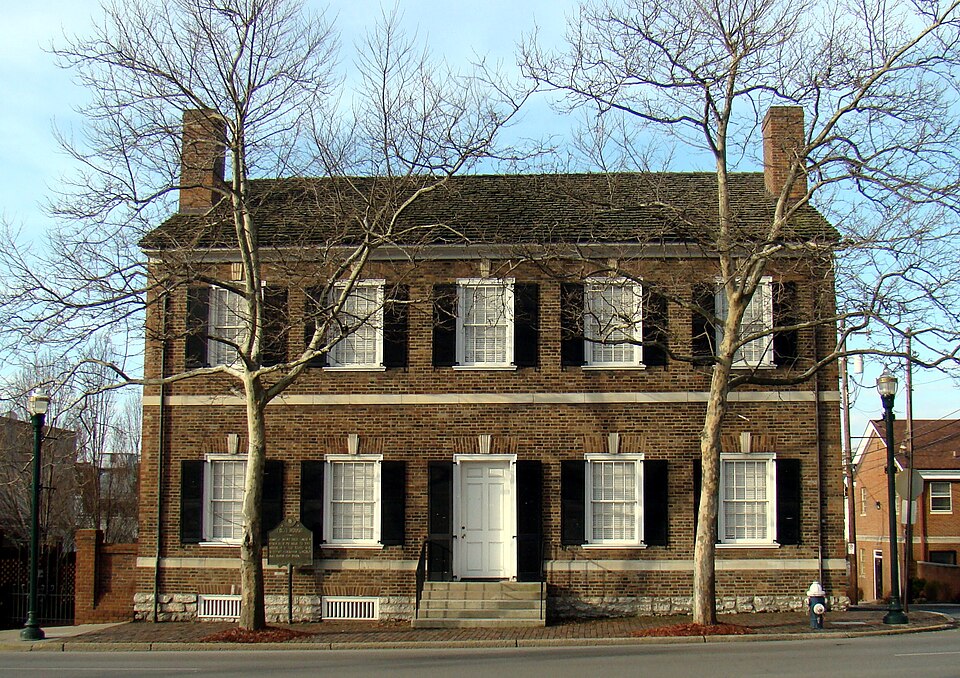
Several histories in one district
The Mary Todd Lincoln House offers a more intimate historic stop. It focuses on a family and an era different from the civic story at the courthouse, giving visitors a chance to ask how national history intersected with life in Lexington. Check tour availability before going, and leave room to reflect on how nineteenth-century homes depended on labor often omitted from celebratory accounts. A useful history walk compares different kinds of sources rather than treating one building as the complete story of downtown.
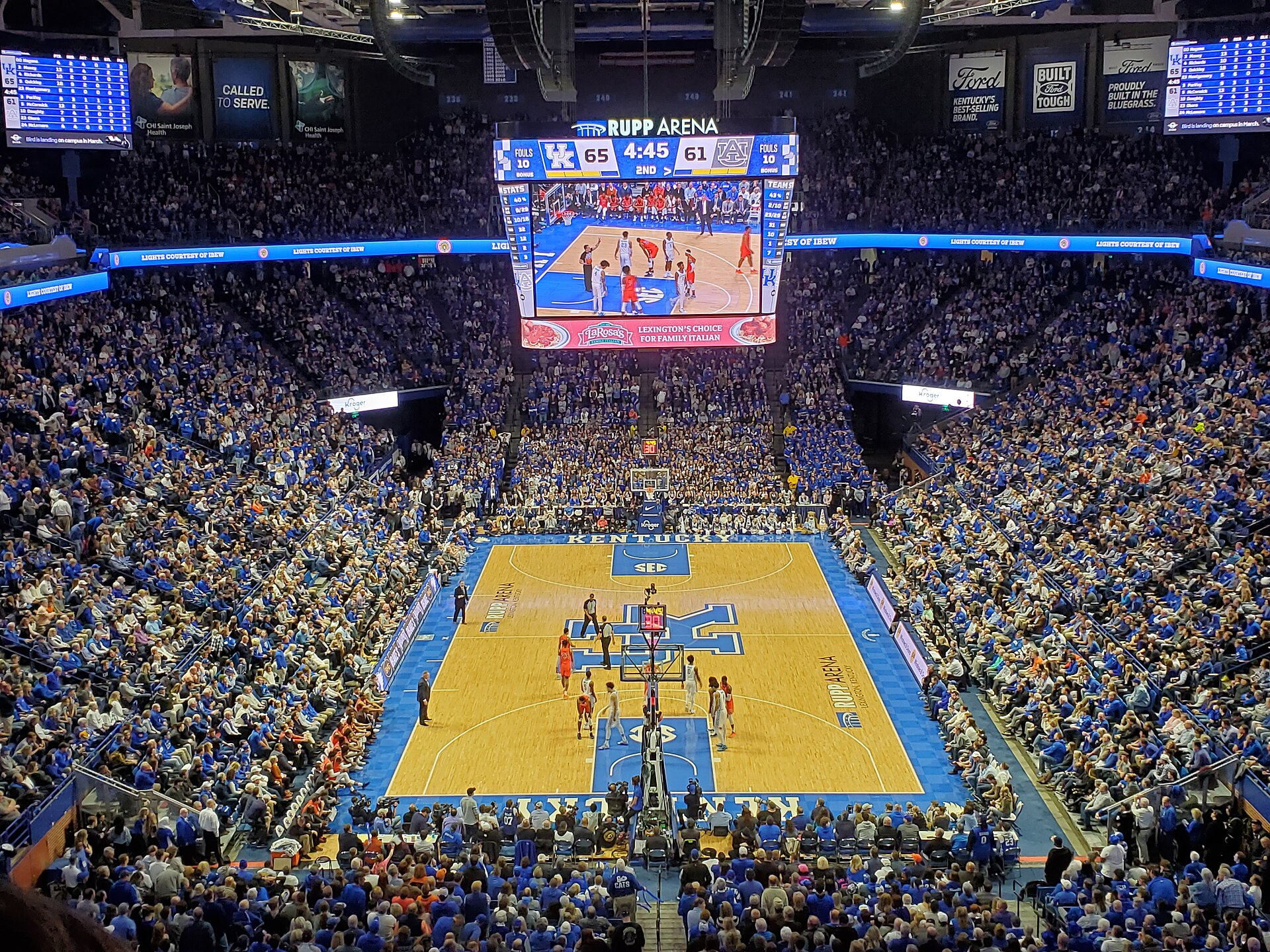
Rupp Arena and the surrounding convention and entertainment facilities show another side of the center city. On event days, pedestrian activity, traffic and parking all change. If you have tickets, plan extra arrival time; if you are simply exploring, a quieter day makes architectural details and small businesses easier to notice. The contrast between the arena and older streets explains why downtown cannot be captured by a single image. Sports, culture, government, food and nightlife share a relatively compact area.
A practical walking plan
Begin at the courthouse, choose one indoor visit such as the Mary Todd Lincoln House when open, and leave an unhurried gap for lunch or the farmers market if scheduled. Walking shoes are useful even for a short route. Accessible entrances and tour arrangements vary by venue, so check each destination directly. Paid parking rules may differ by block or garage; read signs rather than assuming one downtown policy. If an event at Rupp Arena is underway, consider arriving without a car if a suitable transit option is available.
Downtown's postal and neighborhood boundaries are especially easy to confuse. Gratz Park and Transylvania University are close enough to feel like part of a single outing, but are covered more fully in the 40508 guide. Use this page as an introduction to the central core, then follow the streets that interest you. For current restaurants, browse the directory. For the most rewarding visit, let a public space, a historic interior and a present-day local business each tell a different part of the city's story.